
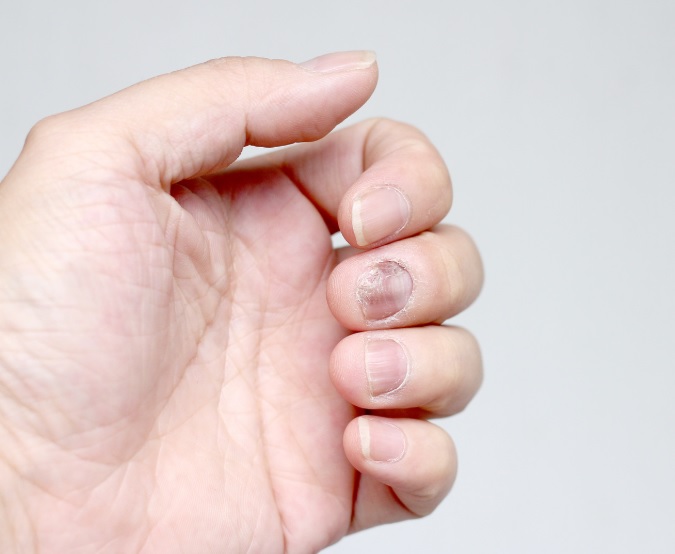
Onychomycosis, or nail mycosis, is an infection that affects the nails, caused by fungi that lurk on the nail surface. This disorder is not dangerous but can create significant aesthetic discomfort, affecting the appearance of the hands and feet.
In this guide, we will find out what the onychomycosis treatment options are and how to have healthy, well-groomed nails
What is Onychomycosis?
Onychomycosis is a condition caused by the proliferation of fungi (mycetes) that invade the nails, particularly those of the feet, which are more vulnerable than the hands.
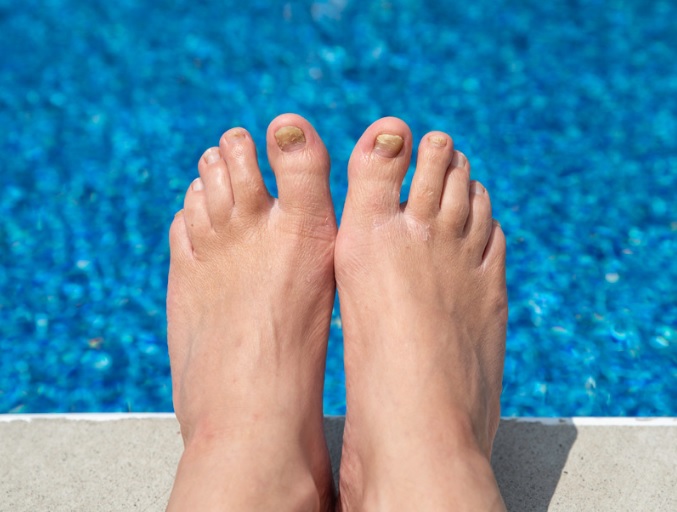
The infection manifests itself as white, yellow or, in some cases, green or brown spots that alter the colour and texture of the nail.
If left untreated, it can lead to thickening and brittleness of the nails and, in severe cases, mycosis can spread to other nails or parts of the body.
Although it does not pose a serious health threat, onychomycosis can cause discomfort for the sufferer, especially from an aesthetic point of view.
The infection can occur due to various factors, such as humid environments (swimming pools, gyms), genetic predisposition or a weakened immune system.
Causes and risk factors
Onychomycosis is particularly common in humid and hot environments, such as swimming pools and changing rooms, or in situations where the nails are often in contact with materials that favour the proliferation of fungi.
Other risk factors include:
- Genetic predisposition.
- Excessive sweating.
- Dermatological problems such as psoriasis.
- A compromised immune system.
- Advanced age, which can reduce the immune system’s ability to respond.
Toenails are particularly vulnerable due to poor blood circulation, which prevents a rapid reaction to fungal infections.
Prevention of Onychomycosis
There are some precautions that can reduce the risk of contracting onychomycosis:
- Keep feet dry, avoiding humid environments.
- Use slippers in changing rooms, swimming pools and public showers.
- Wear breathable socks.
- Protect any wounds on the nails, which can be an entry point for fungi.
Symptoms of Onychomycosis
To identify whether you have onychomycosis, it is useful to observe the following symptoms:
- Alteration in the shape or colour of the nail.
- Presence of differently coloured spots.
- Thickened or brittle nails.
- Pain or discomfort on pressure.
- Loss of the nail’s natural shape.
- Inflammation of surrounding tissues.
Onychomycosis treatment options
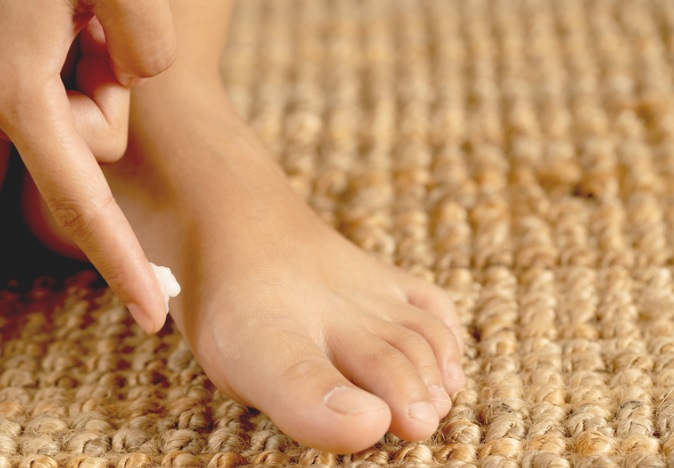
Treatment of onychomycosis may include the use of antifungal medications, in the form of creams, ointments, therapeutic nail polishes, or oral medications, such as terbinafine or itraconazole.
In extreme cases, it may be necessary to surgically remove the infected nail. It is important to remember that, even after healing, the nail may not regain its original appearance, with the risk of remaining deformed.
Onychomycosis and aesthetic solutions: nail reconstruction
Once the infection has been treated and healed, nails affected by onychomycosis may appear damaged or deformed.
In these cases, nail reconstruction becomes an ideal solution to improve the aesthetic appearance of the hands and feet.
It is essential, however, that the infection is completely cured before proceeding with the reconstruction, as applying reconstruction products on an infected nail would prevent proper healing.
How does nail reconstruction work?
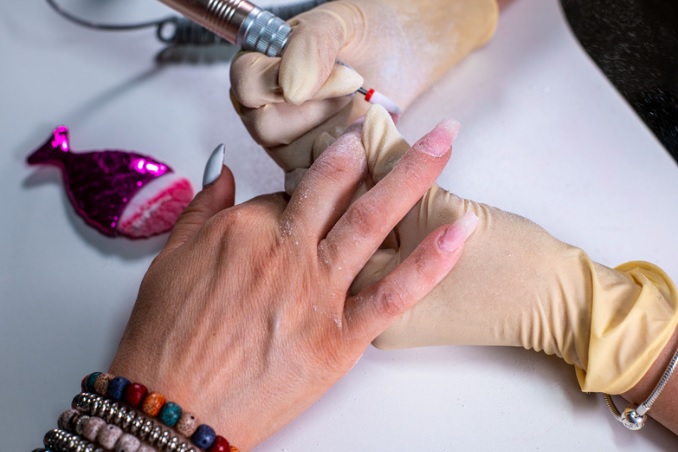
Post-oncomycosis nail reconstruction is not only an aesthetic solution but also a protection for the natural nail that is healing. Here is how the treatment is carried out:
- Nail preparation: it starts with a detailed manicure, preferably a dry manicure, which allows thorough cleaning without damaging the nail.
- Reconstruction: next you can proceed with nail reconstruction in gel or acrylic. The choice between the two depends on the aesthetic preference of the person and the type of nail to be treated.
- Shapes and nail art: after the reconstruction, one can choose different shapes for the nail, such as almond, square, stiletto and complete the treatment with customised nail art to add a creative touch.
Benefits of nail reconstruction
Besides improving nail aesthetics, nail reconstruction after an onychomycosis infection also offers protection benefits.
By creating a protective layer, the reconstruction helps prevent possible trauma during nail growth, which can still be fragile.
In addition, the person can return to feeling safe and comfortable, knowing that their hands and feet are cared for and protected.
FAQ
How long does it take to heal from onychomycosis?
The time it takes to heal from onychomycosis depends on the severity of the infection and the type of treatment. Generally, it takes 3 to 6 months to see a visible improvement as nails grow slowly. It is important to follow the treatment prescribed by the doctor and not to stop it prematurely.
Can I do nail design during an onychomycosis infection?
No, it is not advisable to do a nail design while the infection is ongoing. The infected nail needs to heal completely before applying any reconstructive products, as this could prevent complete healing and encourage the infection to worsen.
Final thoughts
There are various Onychomycosis treatment options available, including antifungal creams, oral medications, and in severe cases, surgical intervention.
However, once the infection has healed, the affected nails may still appear damaged or deformed. This is where aesthetic solutions for damaged nails come into play.
Nail reconstruction with gel or acrylic provides not only an aesthetic improvement but also protection for the natural nail as it recovers.
By addressing both the medical and aesthetic aspects of onychomycosis, individuals can regain healthy, well-groomed nails and feel confident in their appearance.
Want to become a certified nail technician? Join BeautyLearn today!