
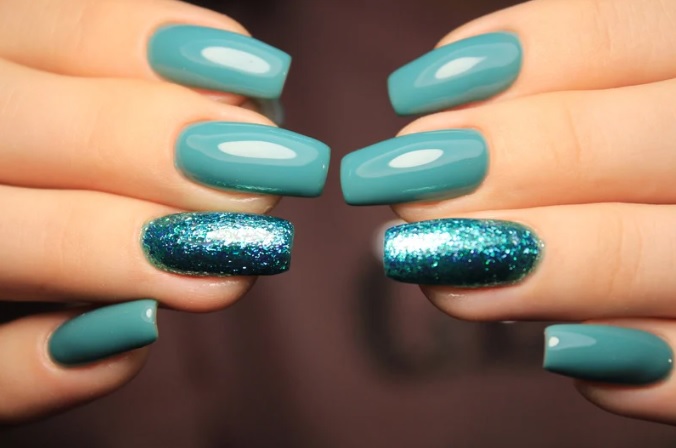
Square nails, an iconic style of the 1980s, remain a popular manicure shape today. This guide will explore how to achieve the perfect square nails, who they best suit, and common mistakes to avoid.
The history of square nails: a timeless classic
The square nail shape gained prominence in the 1980s when striking geometric styles dominated fashion and interior design.
The recent introduction of acrylic reconstruction allowed for longer nails with defined lines, making this striking shape synonymous with elegance and character.
The squoval (square + oval) variant also gained popularity during this era. This shape combines the clean cut of square nails with slightly rounded corners for a more practical and wearable look.
Celebrities like Madonna and other pop icons helped popularize the squoval, often sporting bright colours and eccentric nail art.
Creating the perfect square shape: key steps
Precision is crucial when creating square nails. Let’s examine the key steps involved, from manicuring to filing:
1. The preparatory manicure
For optimal results, begin with a dry manicure. This technique avoids using water, thoroughly cleansing the natural nail and preparing it for reconstruction or polish application. It also helps prevent lifting and material damage.
Tools required:
- Nail pusher.
- Cutter with diamond tips.
- File and buffer.
- Cuticle scissors.
- Cleansers and hydroalcoholic preparations.
- Cuticle oil.
- LED or UV lamp for curing.
2. The form: the foundation of reconstruction
For gel or acrylic reconstruction, accurate form placement is essential. The form must align with the highest point of the natural nail, defining the desired length and thickness.
3. Filing: precision and technique
Filing determines the final shape:
- The front edge must be straight and parallel to the sides.
- The sides must form sharp 90-degree angles, free from any irregularities.
Next, the structure is refined using the Balance Point technique to balance the nail and minimize the risk of breakage. Located one-third of the way down the nail bed, this point provides strength and stability.
Who are square nails suitable for?
The square shape is ideal for individuals with long, thin fingers and a narrow nail bed. If you have shorter or wider fingers, consider shapes that visually lengthen the hand, such as almond or ballerina.
The ideal length? Medium. Excessively long nails can be impractical for everyday activities.
The squoval version
For a softer aesthetic, opt for the squoval shape with its slightly rounded corners. This practical choice reduces the risk of breakage while retaining the elegance of the square shape.
Perfect nail art and colours for square nails
The spacious, linear surface of square nails lends itself to various nail art designs:
- Geometric patterns and intricate details are perfect for this shape.
- Classic colours like milky pink, beige, and the timeless French manicure enhance the nail’s neatness.
- For an 80s vibe, embrace neon colours, glitter, and dark shades like black and burgundy.
Mistakes to avoid with square nails
- Incorrect balance point: the apex of the nail should be even and not overly pronounced.
- Inaccurate filing: sides and corners must be perfectly parallel and sharp.
- Uneven thickness: ensure the structure is straight and free of unwanted curves by checking with the file.
Final thoughts
Square nails are a timeless classic that complements any nail art and style. With proper nail design techniques and precise filing, you can achieve an elegant and long-lasting result.
Interested in specializing in nail design? Explore BeautyLearn’s courses and become a professional nail technician, mastering all the popular techniques and shapes!
Enroll in courses!