
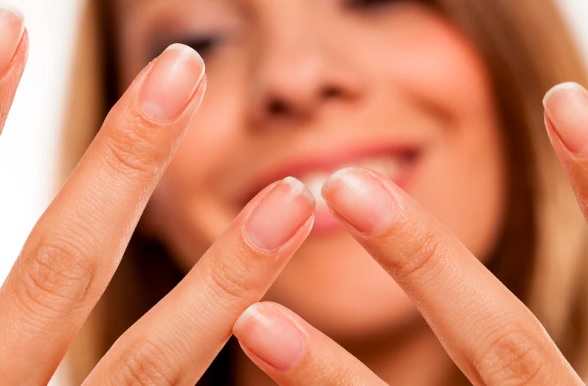
The nail matrix is often overlooked, but it’s the hidden foundation behind strong, smooth, and healthy nails. If you’re into manicures, gel, or acrylics, knowing how to protect the matrix is essential, not just for beauty, but for nail health and comfort too.
Let’s explore what the matrix does, how it can get damaged, and how to keep it in top shape without giving up your favourite nail treatments.
What is the nail matrix?
The nail matrix sits beneath the skin at the base of each nail, just behind the cuticle. It’s the part of your finger where nail cells are formed. As they multiply and harden, they push forward to create the visible part of your nail, the nail plate.
When the matrix is healthy, your nails grow evenly, with a smooth surface and good thickness. If it’s damaged, you might notice ridges, breaks, slow growth or changes in shape.
Why matrix health matters
A healthy matrix means more than just pretty nails. It’s about protecting the nail bed, preventing infections, and avoiding discomfort or pain caused by breaking, peeling, or sore spots near the cuticle.
Repeated trauma, over-filing, or poor hygiene can irritate or even permanently damage the matrix, affecting how your nails grow long-term.
How to protect the nail matrix with gel or acrylics
Good news: you don’t need to give up gel or acrylic nails to take care of your matrix. You just need to be mindful of how they’re applied and removed.
For example, avoid aggressive filing at the base of the nail and never use sharp tools to push back the cuticle forcefully. Gel or acrylic should never be applied if the skin around the nail is irritated or broken, that’s when the risk of damage is highest.
Always remove polish or extensions gently. Peeling them off by force can tear away layers of the nail plate and put pressure on the matrix.
Everyday habits that support a strong matrix
Caring for the nail matrix starts with simple, consistent habits. Keep the area hydrated daily using cuticle oil, even a small drop before bed can make a difference. Follow up with a nourishing hand cream that reaches the base of the nails.
When shaping your nails, use a nail file rather than clippers. Filing is gentler and reduces the risk of cracks that could stress the deeper layers. Avoid buffing too often, while it may seem like a quick fix for shine, it can thin the nail and cause problems at the root.
Healthy nails also start from within. Make sure your diet includes nutrients like biotin, protein, zinc, and healthy fats all of which support new cell growth in the matrix.
Warning signs of a damaged nail matrix
If you start to notice uneven nails, deep ridges, or unusual discolouration near the base, your matrix may be stressed. Persistent sensitivity, swelling, or a slower-than-usual growth rate are also worth keeping an eye on.
In some cases, giving your nails a break from polish and focusing on hydration and repair is the best solution.
Can the nail matrix damage recover?
Yes, but it takes time. Fingernails grow slowly, so even mild matrix damage may take months to fully grow out. During this time, stick to gentle care, avoid trauma to the cuticle area, and use strengthening products to support the layer of new growth.
In more severe cases, like injury or repeated damage from poor application techniques, changes in the nail can become permanent. That’s why prevention is far more effective than cure.
Gel removal tips that won’t harm the matrix
One of the most common causes of nail matrix damage is improper gel removal. It’s tempting to peel or scrape off old gel polish, especially when it starts lifting, but doing so can take layers of the nail plate with it, putting unnecessary pressure on the matrix underneath.
Here’s how to remove gel safely at home or in the salon:
- Soften the gel first. Always start by lightly filing the top layer to break the seal, then soak cotton pads in acetone and wrap each finger in foil or use reusable nail clips. Let it sit for 10–15 minutes.
- Avoid force. After soaking, gently push the gel off with an orange stick or wooden cuticle pusher. Never scrape hard or use metal tools.
- Nourish after removal. Wash your hands, then apply cuticle oil and a repairing nail treatment to rehydrate and protect the nail bed and matrix.
- Space out gel applications. Give your nails a break between gel sets when possible. Letting the natural nail breathe reduces the risk of long-term damage.
If you’re unsure, ask your nail technician about gentle removal protocols that minimise friction and avoid excessive filing, especially near the base of the nail.
FAQ
Can I massage the base of my nails to stimulate the matrix?
Yes, gentle massage around the cuticle area can improve blood flow to the nail matrix, potentially supporting healthy nail growth. Just be sure to use clean hands and a nourishing oil or cream to avoid irritation.
Do nail growth serums really help the matrix?
Some serums contain ingredients like biotin, peptides, or keratin boosters that can support the health of the nail and its matrix. While results vary, consistent use may strengthen the nail plate over time.
Can a damaged matrix cause nail discolouration?
In some cases, yes. If the matrix is injured, nails might grow out with unusual colouring, including white spots, yellow tones, or even vertical lines. It’s always best to check with a dermatologist if this happens.
Is it safe to push back cuticles during a manicure?
Only if it’s done gently and without cutting or scraping the skin. The cuticle protects the matrix, so aggressive pushing or cutting can expose the area to infections and injuries.
Are toenail matrices different from fingernail matrices?
They work the same way but tend to grow more slowly. Toenails grow at about one-third the speed of fingernails, which means damage to the toenail matrix can take even longer to show or heal.
Final thoughts
Taking care of your nail matrix isn’t just about beauty. It’s about protecting the foundation of your human fingernails.
This delicate part, hidden beneath the proximal nail fold and under the overlying nail plate, plays a vital role in producing new nail cells and maintaining the overall structure of your nails.
When it’s exposed to excessive pressure, mechanical damage, or minor injuries, it can lead to visible nail deformities or more serious nail disorders.
Whether you’re wearing tight shoes, using UV gel, or simply applying too much force during a manicure, remember that the protective function of the nail plate depends on the health of what lies underneath.
Even something as small as nail matrix injury can cause long-term problems like nail dystrophy or nail psoriasis. In some rare but serious cases, issues like subungual melanoma may even require a nail matrix biopsy or nail surgery to diagnose or treat the condition.
Understanding basic nail anatomy can help you spot changes early. For instance, if the half moon (or lunula) on your affected finger looks different, or if the nail suddenly becomes misshapen, discoloured, or doesn’t grow properly, it might be time to consider a nail biopsy or consult a specialist.
Other factors, such as autoimmune conditions, poor nutrition, and even trauma, can all impact the sterile matrix, leading to various nail diseases.
If you work with your hands a lot, wear gloves and be gentle with your nails. Proper care and attention now can prevent nail deformities or the need for nail plate avulsion later.
In short, whether you’re dealing with a finger or toe, don’t underestimate the importance of the nail matrix. It’s more than just a hidden layer, it’s the source of healthy, beautiful nails.
Want to master safe techniques for nail reconstruction?
Discover BeautyLearn’s certified online nail care courses and take your skills to the next level.