
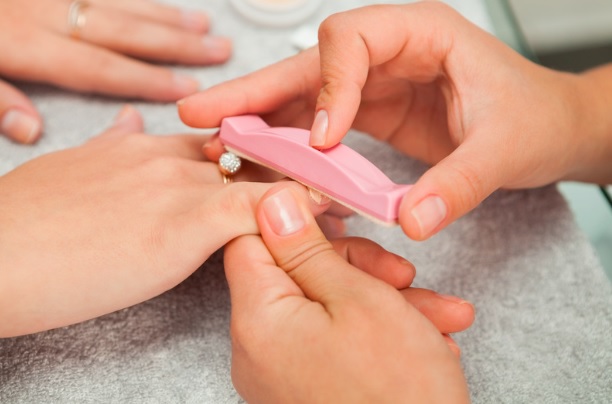
Looking for a treatment that strengthens natural nails without harsh chemicals or gel polish? The Japanese manicure is a traditional nail care technique that focuses on restoring nail health, giving the nail plate a natural shine and supporting healthy nail growth.
In this guide, you’ll discover what a Japanese manicure is, its benefits, the products used in a Japanese manicure kit, how it’s done step by step, who it suits best, and how long the results last.
We’ll also compare it with the Russian manicure, highlight common mistakes, and share style ideas to make the most of this gentle yet effective treatment.
What is a Japanese Manicure?
The traditional Japanese manicure is a dry manicure designed to nourish and strengthen natural nails. Instead of using polish or gel, it relies on a special green paste enriched with natural ingredients like bee pollen, sea minerals and vitamin E, followed by a fine powder that seals the nutrients into the nail surface.
The technique involves lightly buffing these products into the nail bed, which creates a healthy shine and encourages healthy nails without the need for colour.
The key benefits of a Japanese Manicure
The Japanese manicure is often described as one of the best nail care techniques for restoring nail strength. Here’s why:
- Strengthens weak or brittle nails – natural oils and minerals in the paste repair and protect.
- Improves nail health – stimulates blood circulation in the nail unit and cuticle area.
- Supports healthy nail growth – vitamins and natural ingredients nourish from the surface.
- Creates a healthy shine – even without polish, nails look glossy and smooth.
- Gentle on the skin surrounding the nails – no harsh chemicals are used, making it safe for sensitive clients.
Beauty editors often describe the Japanese manicure as the ultimate “clean beauty” treatment because it combines wellness with aesthetics.
Tools and products used in the Japanese Manicure kit
A professional Japanese manicure kit usually contains:
- Green paste with vitamins, minerals and natural oils.
- Polishing powder to lock in nutrients and create the final shine.
- Buffing tools made of natural materials for gently working the paste into the nail surface.
- Cuticle tools to tidy up the skin surrounding the nails.
Unlike a typical base coat or nail polish, these products are all-natural and focus on repair instead of coverage.
Step by step: how a Japanese Manicure is done
Here’s how a nail artist or technician performs the process:
- Prep the nails – file into the desired shape, gently push back the cuticles, and clean the nail surface.
- Apply the green paste – massage it into the nail plate using a soft buffer. This step stimulates blood circulation.
- Buff lightly – seal the nutrients into the nail bed with gentle strokes (avoiding over buffing).
- Apply the powder – the final step creates a protective layer and that signature healthy shine.
The whole process is chemical-free, relaxing, and results in visibly healthy nails after just one appointment.
Who should choose a Japanese Manicure?
This treatment is perfect for:
- Clients with weak nails, brittle nails, or nails damaged by frequent gel polish removal.
- Anyone wanting a natural look with healthy nail growth.
- People who want to avoid harsh chemicals but still enjoy a professional manicure.
It’s especially popular among those who want their nails to look neat and polished without wearing nail polish or gel.
Pro tip: don’t confuse weak nails with brittle nails… weak nails are soft and bendy, brittle nails are dry and crack easily.
How long does the effect last?
The glossy, natural shine typically lasts around two weeks, depending on lifestyle and external factors such as cleaning, detergents or seasonal dryness. With regular treatments, results build up over time, improving nail strength and resilience.
Japanese Manicure vs Russian Manicure
Both techniques are trending, but they have very different goals:
- Japanese manicure: focuses on repair, nourishment and nail health, using natural ingredients like minerals and oils. It enhances natural nails and gives them a soft healthy shine.
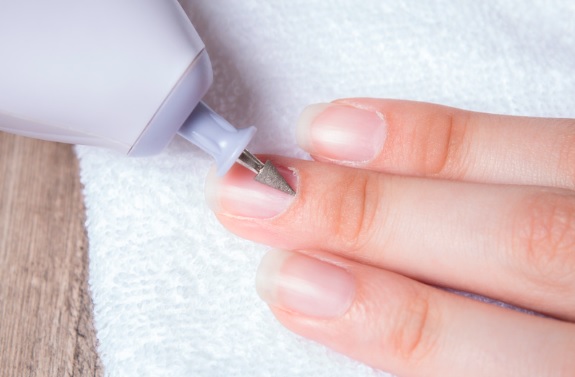
- Russian manicure: focuses on meticulous cuticle removal with an electric file. It’s more invasive and often used as prep for gel polish or nail art.
If your aim is stronger, healthier nails, the Japanese manicure is the best choice. If you’re preparing for gel overlays or long-lasting nail designs, the Russian manicure may suit better.
Common mistakes to avoid
The Japanese manicure is gentle, but mistakes can reduce its benefits:
- Over buffing the nail surface makes nails thinner instead of stronger.
- Using low-quality kits that don’t contain real sea minerals or vitamin E.
- Skipping regular sessions …one treatment helps, but consistency is what really strengthens nails.
Is the Japanese Manicure safe?
The Japanese Manicure is considered one of the safest techniques because it avoids harsh chemicals and instead uses natural oils and powders. The process is gentle on the skin surrounding the nails and suitable even for damaged nails.
The only risk is from untrained application, such as over buffing or using tools that are not properly sanitised. Always choose a professional nail artist or trusted salon.
Nail art and style ideas with Japanese Manicure
While the treatment focuses on natural nails, it can be combined with subtle nail art. For example:
- A sheer nude shade applied lightly after the manicure for extra elegance.
- A thin line of metallic polish on the edges for a minimalist accent.
- Pairing with seasonal shades, think soft pastels in spring or warm colours in autumn.
The beauty of the Japanese manicure is that it makes nails look beautiful on their own, but you can always add a touch of creativity if you want.
On Instagram, the hashtag #JapaneseManicure is trending for its natural shine and clean look, proof that sometimes less really is more.
FAQ
Is a Japanese manicure suitable for weak nails?
Yes, it’s ideal for repairing damaged nails, as the natural ingredients nourish and help strengthen nails.
How often should I get a Japanese manicure for best results?
Every 2–3 weeks is recommended to maintain the healthy shine and support healthy nail growth.
Can I apply gel polish on nail bed after a Japanese manicure?
It’s not common, since the oils can interfere with adhesion. If you plan to wear gel polish, wait until the treatment has faded.
Does the Japanese manicure have any side effects?
None, unless there is over buffing. Otherwise, it’s a safe, chemical-free nail care technique.
Why is it considered more natural than other manicure techniques?
Because it relies on natural oils, sea minerals, bee pollen and vitamin E instead of synthetic coatings or gel.
Final thoughts
The Japanese manicure shows that beauty and nail health can go hand in hand. By focusing on natural ingredients and nail care, it repairs, strengthens and gives healthy nails a natural, glossy finish without polish.
It’s loved by clients, beauty editors, and nail professionals worldwide because it offers visible results after just one session.
And here’s the exciting part: what begins as a passion for natural nails can grow into a career. At BeautyLearn, our certified courses teach you how to master professional nail care techniques, from Japanese manicures to nail art, so you can build a career clients will love and trust.