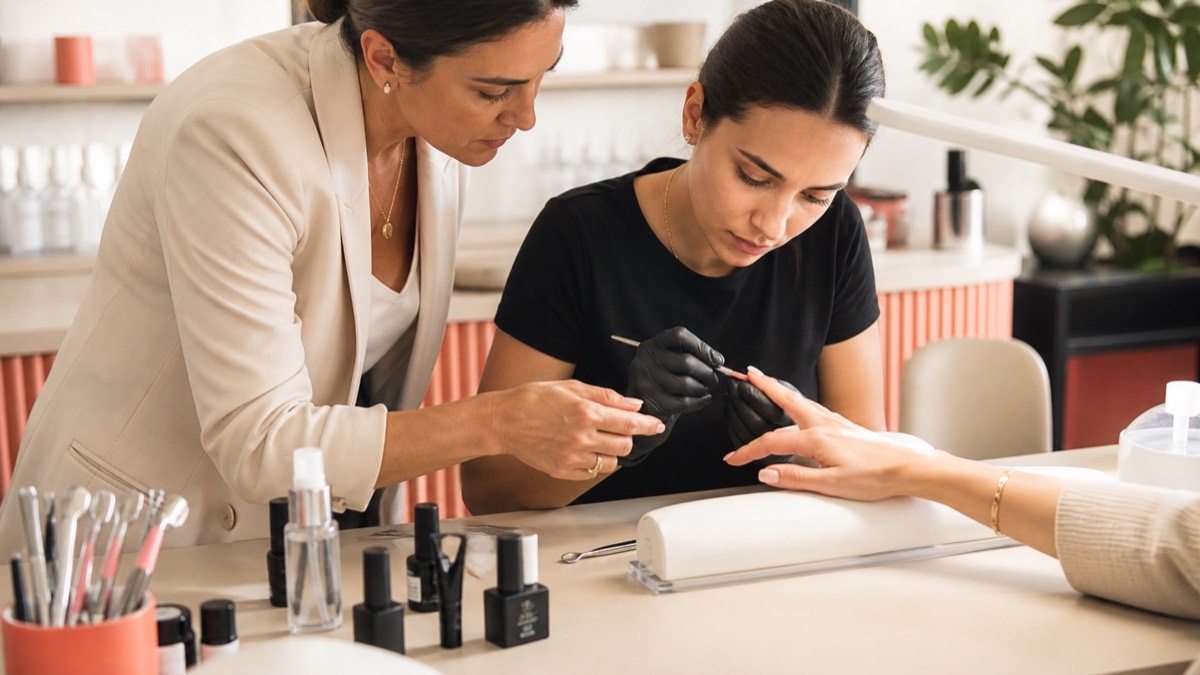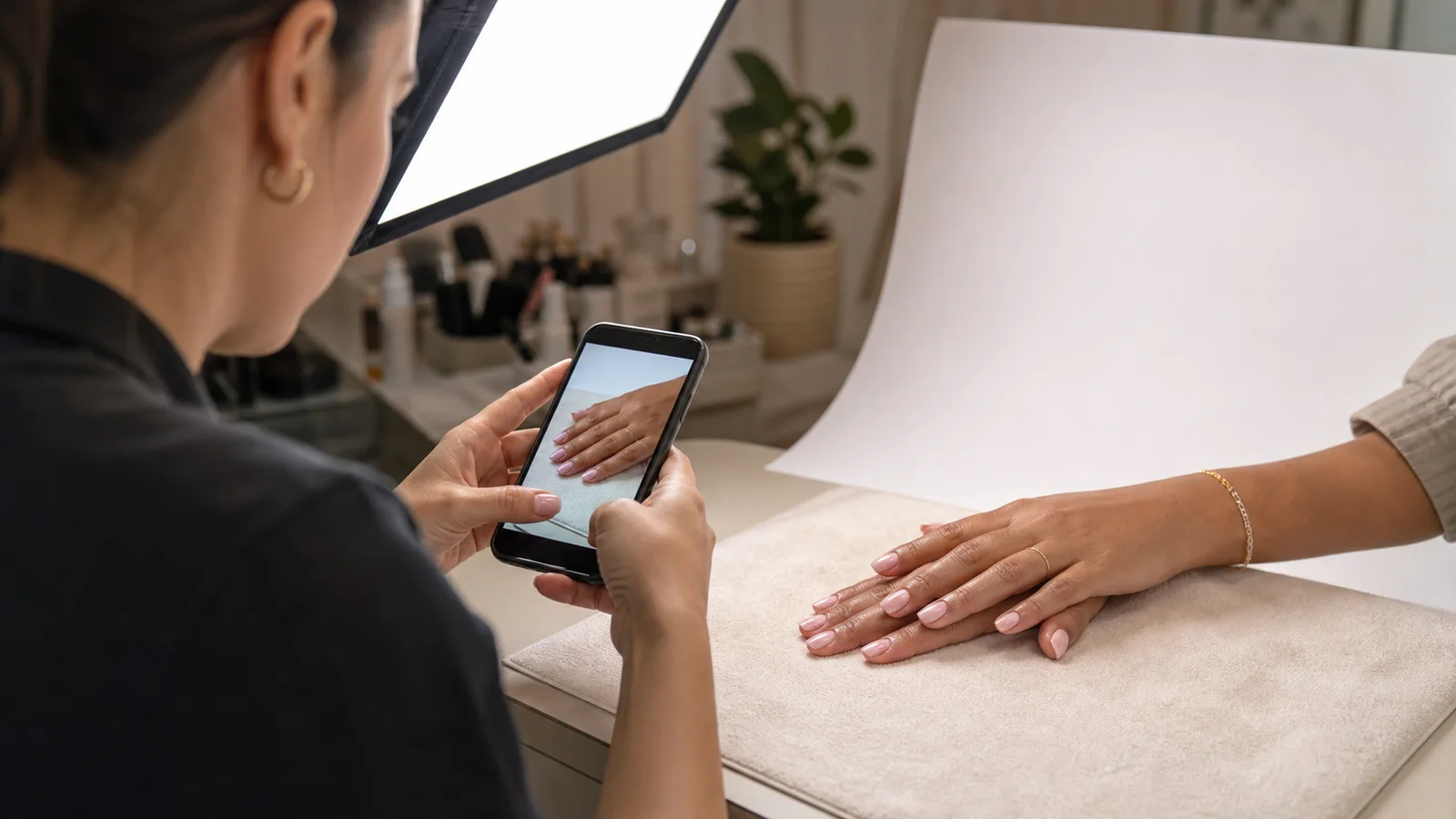

Liability insurance does not make an unsafe nail service safe, and a dissatisfied message is not automatically an insured claim. The two systems still need to connect. Cover must describe the real techniques, products, people, premises and locations; complaint handling must protect the client first, preserve a reliable account and meet any notification duty before a small event grows into an unmanaged dispute.
Working sequence: map the real activity before comparing premiums; read the sum insured, annual aggregate, excess, percentage deductible, sublimits, exclusions and time trigger together; verify insurer and intermediary through IVASS; classify every complaint; stop and escalate safety concerns; preserve original evidence; notify a circumstance or demand as the policy requires; review recurring causes at renewal.
This guide is specific to work organised in Italy and was substantively reviewed on 5 September 2026. It is educational material, not insurance, legal, tax, privacy or medical advice, and it has not received an independent review of your proposed policy. Coverage depends on exact declarations, wording, endorsements, dates, business form and services. Use the guide to opening a nail salon in Italy for the broader setup and the complete nail technician course for technical progression.
Liability cover and complaint handling do different jobs
Liability cover addresses the insured’s legal obligation to compensate a third party, within the scope and limits of the contract. Complaint handling receives dissatisfaction about result, price, conduct, hygiene, symptoms or property. Many complaints remain service-quality matters, yet a brief report of pain, damaged clothing or an injury at the premises may be a circumstance that must be notified even before a formal demand arrives.
Separate at least four routes: an aesthetic adjustment request, a contractual dispute, an adverse-event report and a compensation demand. The same appointment can involve more than one route, but urgency, evidence, decision owner and communication differ. An immediate denial or uncoordinated promise to refund everything may compromise both the relationship and the insurance file.
Is liability insurance compulsory for every nail technician in Italy?
Do not give one universal answer. Requirements can depend on the actual professional classification, region, authorisation, business form, premises, employer or rental contract, staff, services and customer agreement. Rules applying to regulated professions or insurance intermediaries do not prove an identical obligation for every person offering nail services.
Ask two questions separately: is cover legally or contractually required for this exact arrangement, and which plausible loss could the business not absorb? A competent Italian adviser should verify the first for the real territory and activities; an authorised insurance intermediary should help describe the second. Voluntary insurance is useful only when the declared perimeter matches the work actually performed.
Map a real week before requesting insurance terms
The policy must describe the real working week
Map services, premises, people, products and off-site activity
Services
Gel, acrylic, acrygel, e-file and removal
Premises
Falls, property and rented space
People
Staff, freelancers and students
Products
Applied, sold, imported and own-label
Do not begin with a product label such as beautician insurance. List every service and working context: manicure, gel polish, gel, acrylic, acrygel, e-file work, product removal, cosmetic toenail services, retail, home visits, events, teaching and demonstrations. Add staff, freelancers, trainees, rented chairs, premises, transported equipment, client property and any product imported or sold under your name.
Risk area | Nail-work example | Question to document |
|---|---|---|
Services | Gel, acrylic, acrygel, e-file and removal | Which procedures are expressly included? |
Premises | Falls, water, fire, furniture and rented space | Are occupation and landlord liabilities addressed? |
People | Employees, freelancers, trainees and students | Whose acts and injuries fall within cover? |
Products | Applied, retailed, imported or own-label products | Does protection continue after supply? |
Off-site work | Home visits, fairs, events and training | Which territories and temporary sites apply? |
Make the insured-activity description match the nail work
Ask where the contract addresses accidental injury and property damage during service, use and occupation of premises, acts of staff and collaborators, products applied or sold, work away from the salon, entrusted property, tuition and legal expenses. These elements may sit in general business liability, professional liability, product liability, employer-related sections or endorsements. One certificate title does not prove that all are present.
The named insured, business form and trading activity are accurate.
Every technique is permitted by the relevant framework and described without a vague catch-all.
People for whose acts the business may answer are identified, including teaching and supervised practice.
Premises, chair rental, home visits, events and travel are matched to the required territory.
Applied, supplied and own-label products are addressed, including damage reported after the appointment.
Defence control, choice of lawyer, expert costs and consent before settlement are understood.
Insurance cannot make an unauthorised service lawful or replace the manufacturer’s instructions. Record product identity, batch and system decisions using the nail product-label guide and a proportionate client record.
Read limit, aggregate, excess, deductible and sublimits together
Five numbers describe how much risk stays with the salon
A headline limit is only the first line
Per event
Maximum for one covered loss
Aggregate
Maximum across the policy year
Excess
Fixed retained amount
Deductible
Retained percentage and minimum
The sum insured or policy limit is the maximum the insurer pays for a covered risk under the wording. An excess leaves a fixed amount with the insured. A percentage deductible leaves a proportion, sometimes with a minimum. The annual aggregate can cap all covered events in one policy year, while a sublimit can greatly reduce the amount available for one category.
Model a small incident below the excess, a medium loss and two significant events in the same year. Look for separate limits for applied products, property in care, data events, legal expenses or work outside the premises. A high headline number does not compensate for an exclusion or small sublimit affecting the activity most likely to create a claim.
Understand the event, demand and policy dates
Check how the contract connects the service, damage, complaint, demand, notification and insurance period. Some wordings respond to an occurrence during the period; others, often called claims made, depend on when a demand is made or reported and contain rules on retroactive dates, prior-known circumstances and continuity. Definitions and endorsements control, not the shorthand label.
Before changing insurer, closing, pausing or changing legal form, map open complaints and facts already known. Ask in writing about retroactive cover, continuous insurance and any extended reporting period. A reaction or property-damage demand can emerge after the appointment; allowing cover to lapse while a concern is discussed informally may create an avoidable gap.
Exclusions and policyholder duties can decide the outcome
Read exclusions for undeclared work, prohibited services, products used contrary to instructions, known circumstances, gradual damage, purely aesthetic dissatisfaction, allergy or infection, staff and collaborators, retail sales, entrusted property and prevention duties. Ask the intermediary for written examples when the boundary is unclear. A social-media answer or another technician’s certificate is not evidence of your cover.
Client records, hygiene logs and batch traceability are not universal shields, but they can reconstruct the service. Connect the policy with the nail client record and consent guide, the guide to gel allergy, methacrylates and HEMA and the protocol to clean, disinfect and sterilise manicure tools.
Verify the insurer, intermediary and complete documents
Request the pre-contract information, relevant DIP documents, full conditions, glossary, proposal, endorsements and claim instructions before payment. Verify the insurer and the person distributing the policy in official IVASS registers and lists. Check legal name, authorisation, operational status, contact details and website rather than trusting a logo or forwarded message.
Keep the completed proposal and every answer: the insurer priced and accepted the declared risk, not the version remembered later. Record renewal date, premium, limits, endorsements and the contact responsible for reporting. Notify changes in turnover, services, staff, premises, territory, retail or teaching when the wording requires it.
Twelve questions to ask before buying cover
Which named nail techniques and cosmetic services are included?
Are employees, freelancers, trainees, students and teaching activities addressed?
Which injuries, property damage, premises risks and entrusted items are covered?
Do product application, retail, import and own-label supply require different sections?
What are the per-event limit, annual aggregate and relevant sublimits?
How do the excess, percentage deductible and any minimum operate?
What event triggers cover and what retroactive date applies?
What counts as a circumstance, claim, known fact and reportable change?
Which deadline, channel and information apply to notification?
May the salon refund, redo, admit or settle before the insurer agrees?
Who controls the defence, lawyer and expert, and which costs sit inside the limit?
What happens after insurer change, business closure or a late demand?
Classify complaint, circumstance and claim before replying
Classify first, then choose the response owner
Not every complaint is a claim; some facts still need early notice
Record
Preserve the original report
Protect
Stop and support urgent care
Classify
Complaint, circumstance or claim
Notify
Follow the policy deadline
A complaint expresses dissatisfaction. A circumstance is a fact that might reasonably lead to a demand. A claim is defined by the contract. Record the event first, then consult the wording or insurance contact. Do not wait for a lawyer’s letter when the policy asks for earlier notice, and do not call every minor correction an insured loss.
Signal | Immediate response | Escalation |
|---|---|---|
Aesthetic defect without symptoms | Review brief, service record and unedited images | Quality lead when repeated |
Pain, swelling or unexplained change | Stop, do not diagnose and support healthcare review | Owner and insurer under the policy |
Fall or property damage | Protect people, limit damage and preserve context | Prompt notification where required |
Financial demand or legal letter | Preserve the original and do not argue the merits | Insurer, intermediary and lawyer |
The first hours after a serious nail-service complaint
Protect the client and preserve a factual record
Care and evidence happen before conclusions about responsibility
Safety
Stop, assist and escalate
Facts
Time, service, batch and equipment
Evidence
Unedited images and records
Action
Manager and insurance contact
Protect the person before protecting the file. Stop further application or exposure when continuing could worsen the situation. Arrange emergency help for severe symptoms and encourage appropriate healthcare assessment where needed. Do not diagnose from a photograph, conceal a visible change with more product or repeat the service to ‘test’ another formula.
Make the area and premises safe and record any immediate assistance.
Preserve date, time, service, operator, product, batch, lamp and factual sequence.
Take only relevant unedited photographs with an appropriate privacy basis and controlled storage.
Retain messages, booking, receipt, client record and applicable manufacturer instructions.
Inform the responsible manager and consult the insurance notification instructions promptly.
Create one factual complaint file
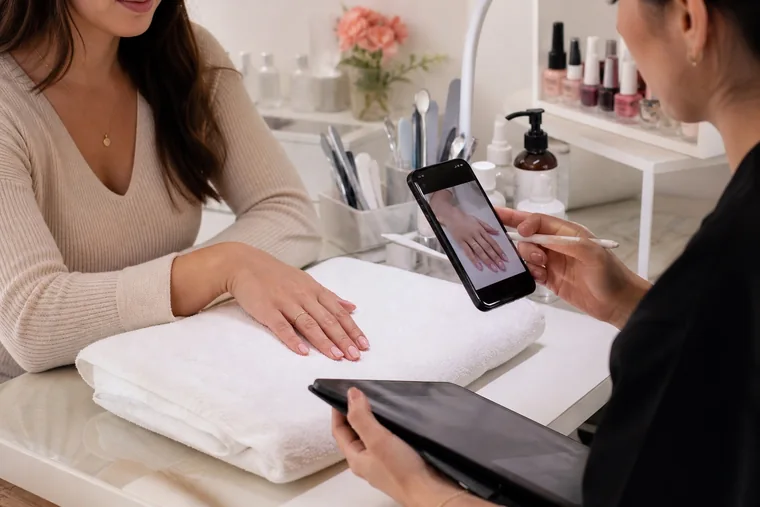
Assign a reference number and keep a chronology: booking, service time, technician, client request, suitability checks, products and batches, lamp, preparation, observations, aftercare, first message, replies, photographs and action. Mark clearly what the client reported, what staff directly observed and what remains unknown. Never rewrite the original service record after a complaint; add a dated correction or later note.
A remake corrects a service result, a refund returns part or all of the price, a goodwill gesture addresses the relationship and compensation addresses alleged loss. State which one is offered and what it includes. Before admitting liability, settling, signing a release or arranging an expert, check policy duties. Empathy and urgent support do not require a premature legal conclusion.
Notify the insurer without waiting for conflict to escalate
Follow the deadline, address and channel in the policy. Send a concise chronology, the demand or complaint received and available documents; label missing facts as unknown. Add later evidence through a dated supplement rather than silently replacing files. Keep the claim number, handler and every instruction about communication, inspection, remediation and settlement.
For a purely technical defect, use the guide to gel bubbles, cracks, breaks and cuticle flooding to investigate process without misclassifying symptoms. If an event concerns a booking disagreement rather than injury or damage, compare it with the deposit, cancellation and no-show policy guide.
Protect health and image data in the complaint record
A complaint may include health information, close photographs, prescriptions or medical records. Apply purpose limitation, minimisation, access controls, secure transfer and a defined retention decision. Do not request a complete medical file automatically and do not reuse complaint images for social media, teaching or marketing. Ask the insurer and privacy adviser what is truly required.
A public review does not permit the salon to disclose the client’s service, symptoms, photographs or claim details. Reply briefly, invite private contact and preserve the public post as evidence. Never litigate causation or responsibility in the comments. The client-record guide explains why service consent, photography permission and health-related information are distinct.
When the complaint concerns the insurer or intermediary
A dispute about claim rejection, delay or distribution conduct is separate from the client’s complaint against the nail business. IVASS instructs the policyholder to complain first to the insurer’s complaints office or the intermediary; the published process provides for a response within 45 days. If no satisfactory reply arrives, the official IVASS route may become available.
The Arbitro Assicurativo has accepted online applications since 15 January 2026. A prior complaint on the same grounds is required, and the procedure is document-based. Check current eligibility, limits, documents and filing steps on the official site. An organised chronology helps, but this mechanism does not decide the original client’s health or nail-service complaint.
Review complaint data and cover every quarter
Count complaints per hundred services, type, system, technician, product, response time, remakes, refunds, reported symptoms, notified matters, retained losses and reopened cases. Review recurring causes without using a lower complaint number as automatic proof of quality: clients may simply stop reporting. Feed evidence into training, procurement, technique, booking information and renewal declarations.
Budget premium, retained excesses and prevention through the nail technician price-list guide and model complete service economics in the BeautyLearn pricing calculator. Browse the full English nail guide library for connected technical controls without merging their search intents into this insurance page.
Frequently asked questions about nail technician insurance
Is liability insurance mandatory for every nail technician in Italy?
Do not assume a universal requirement. Classification, region, business form, premises, staff, actual services and contractual terms can affect the answer. Obtain advice on the exact arrangement; separately decide whether voluntary cover is prudent for losses the business could not absorb.
How much does nail technician liability insurance cost?
Premiums can vary with turnover, services, people, premises, territory, limits, excesses, extensions and loss history. Compare quotations on an identical declared risk and read sublimits and exclusions. A cheaper premium may simply transfer more relevant risk back to the business.
What liability limit should a nail technician choose?
No single figure suits every activity. Model plausible severity, number of events, clients, staff, premises and contractual requirements, then assess the per-event limit, annual aggregate and sublimits together with an authorised intermediary. The headline limit alone is incomplete.
Does liability insurance cover gel and methacrylate allergies?
Only the actual contract can answer. Cover may depend on declared activities, product and system use, exclusions, duties and circumstances. Obtain written clarification and maintain prevention, batch traceability, client records and stop rules; insurance is not permission for skin contact or unsuitable work.
Are employees and freelance nail technicians automatically covered?
No assumption is safe. Identify each person’s role and relationship and ask whose acts, injuries and liabilities are included. Cover for third-party injury, employer-related responsibilities and a freelancer’s own liability may sit in different sections or policies.
Does selling nail products require different insurance?
Retail, importing and own-label supply can create product exposures beyond application at the table. Disclose them expressly and ask whether product liability or another extension is required, including damage alleged after delivery. A salon-service description may not include these activities.
What is the difference between an excess and a percentage deductible?
An excess generally leaves a fixed amount with the insured, while a percentage deductible leaves a proportion and may include a minimum. The wording determines how each operates. Test several loss amounts and include sublimits and the annual aggregate before comparing value.
Must a complaint be reported when the client has not asked for money?
That depends on the definitions of circumstance and claim and the notification duties. Record every complaint and ask promptly when it could fall within the policy. Waiting for a formal demand can be too late where known facts or circumstances require earlier notice.
Can the salon refund or redo the nails immediately?
A remake or refund may suit a minor aesthetic issue. When injury, property damage or a compensation demand may become an insured matter, check whether admission, payment or remediation needs consent. Client safety and empathy continue while legal responsibility is assessed.
What should be photographed after a nail-service complaint?
Capture only relevant observable facts: the affected and comparison nails where useful, unedited close and context views, product and batch, and any involved object or station condition. Record time and source, preserve originals and use a lawful, access-controlled privacy workflow.
Can the salon request the client’s medical records?
Do not request complete records automatically. Health data needs particular care, purpose and minimisation. Ask the insurer and privacy adviser which specific information is necessary, who should receive it, how it is transferred and how long it is retained.
How should the salon answer a negative review linked to a complaint?
Acknowledge the concern without confirming private details, invite the person to a controlled channel and name the contact. Do not disclose services, symptoms, photographs, records, offers or claim positions in public. Preserve the review as part of the chronology.
Does a signed waiver remove the nail technician’s liability?
No. Clear information and a client record may evidence the process, but a blanket release cannot make prohibited or unsuitable work safe, erase negligence or automatically remove mandatory consumer rights. Avoid universal disclaimers and obtain legal and privacy review.
How can I verify an insurer or insurance intermediary in Italy?
Search the official IVASS registers and website lists, then match legal name, status, contact information and authorised web address. Do not rely only on a logo, certificate or payment request. Keep the complete proposal, information set and submitted declarations.
What if the insurer does not answer my complaint?
Use the insurer’s or intermediary’s complaints office first. IVASS publishes a 45-day response route and explains subsequent escalation. The Insurance Ombudsman may be available after the required prior complaint. Verify current eligibility and procedure on official sites.
How often should insurance and complaint procedures be reviewed?
Review at renewal and whenever services, products, turnover, premises, people, territory, teaching, retail or business form changes. Also review complaint patterns and corrective actions quarterly. A certificate based on last year’s declaration may not describe today’s activity.
Official sources and editorial scope
Normattiva — Italian Civil Code, including Article 1917 on liability insurance
Garante per la protezione dei dati personali — Fundamental processing principles
No competitor salon, academy, insurer or commercial insurance comparison site is linked. This page does not determine whether a specific nail technician must insure, interpret a policy, settle a claim or diagnose an adverse event. Have the actual activity, wording, declarations, complaint response and data flow reviewed by competent professionals before use.