
Skincare30 August 2026
Niacinamide in skincare: benefits, concentrations and tolerance
An evidence-aware guide to niacinamide: what it may do, how to compare 2%, 5% and 10% formulas, how to introduce it and when irritation means stop.
Read the guideWe use necessary cookies and the Meta Pixel to measure campaigns and improve our offers. You can change your optional-cookie preferences at any time. Read our Terms and conditions.

BeautyLearn editorial
Explore structured learning on techniques, products, safety, training and the day-to-day realities of working in beauty.
Choose a specialist area and follow a focused learning path.
An evidence-aware guide to niacinamide: what it may do, how to compare 2%, 5% and 10% formulas, how to introduce it and when irritation means stop.
Read the guide
How to read SPF and UVA protection, choose a usable face-sunscreen texture, apply enough product and decide when reapplication is needed.
Read the guide
A technical guide to L-ascorbic acid and vitamin C derivatives, including concentration, pH, stability, oxidation, packaging and routine placement.
Read the guide
Understand retinol, retinaldehyde and other cosmetic retinoids, including formula, gradual introduction, irritation, pregnancy and the boundary with medicines.
Read the guide
A practical guide to glycolic, lactic, salicylic and polyhydroxy acids: how formulas differ, how to choose a frequency and when to stop.
Read the guide
A practical framework for choosing skincare actives, introducing one product at a time, avoiding duplicated irritation and understanding what not to mix.
Read the guide
A cautious guide to possible barrier disruption, cosmetic overload, a short recovery routine, product reintroduction and signs that require a dermatologist.
Read the guide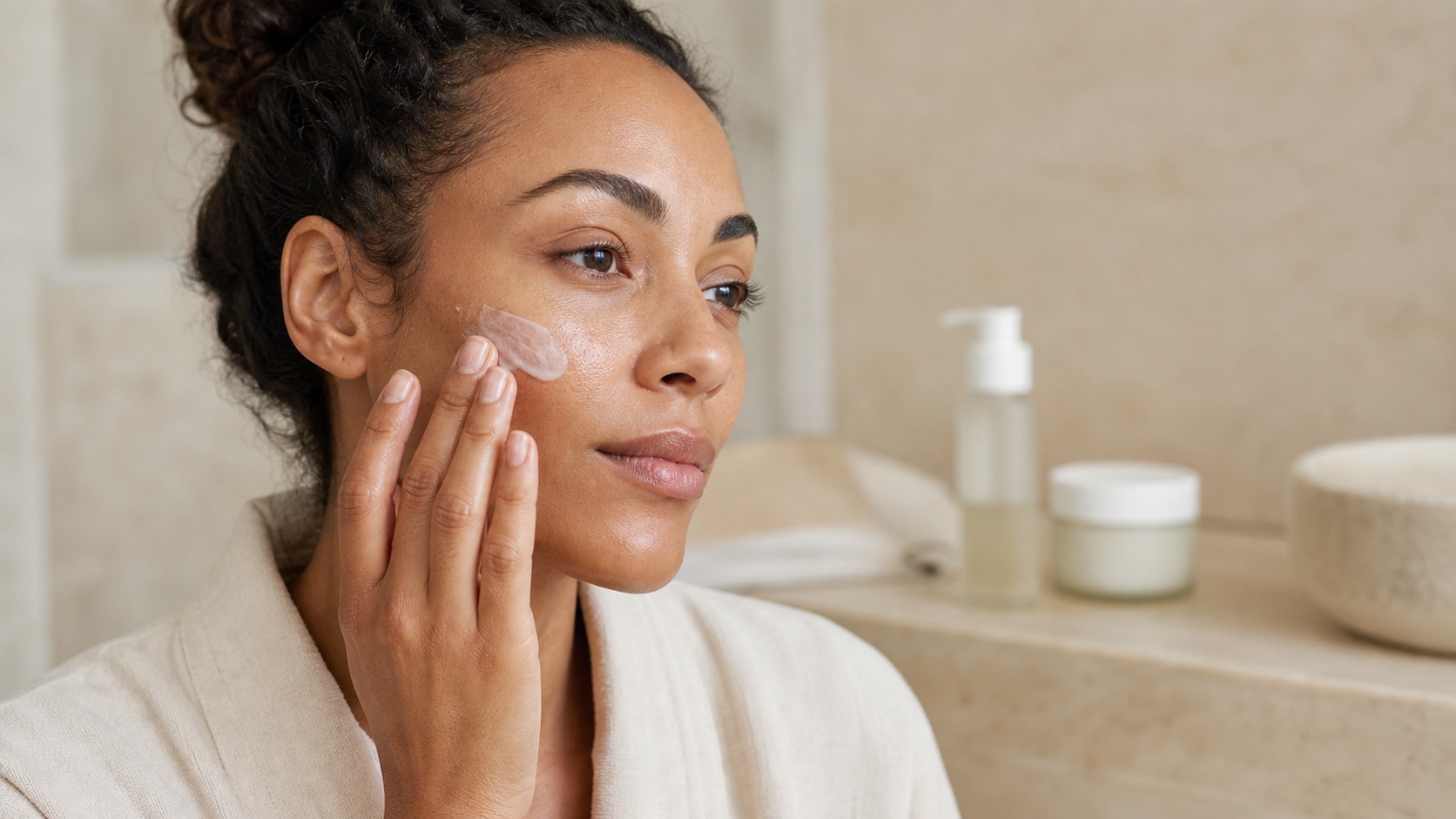
Understand the different jobs of humectants, emollients, occlusives and ceramides, including glycerin and hyaluronic acid, and choose moisturiser by formula.
Read the guide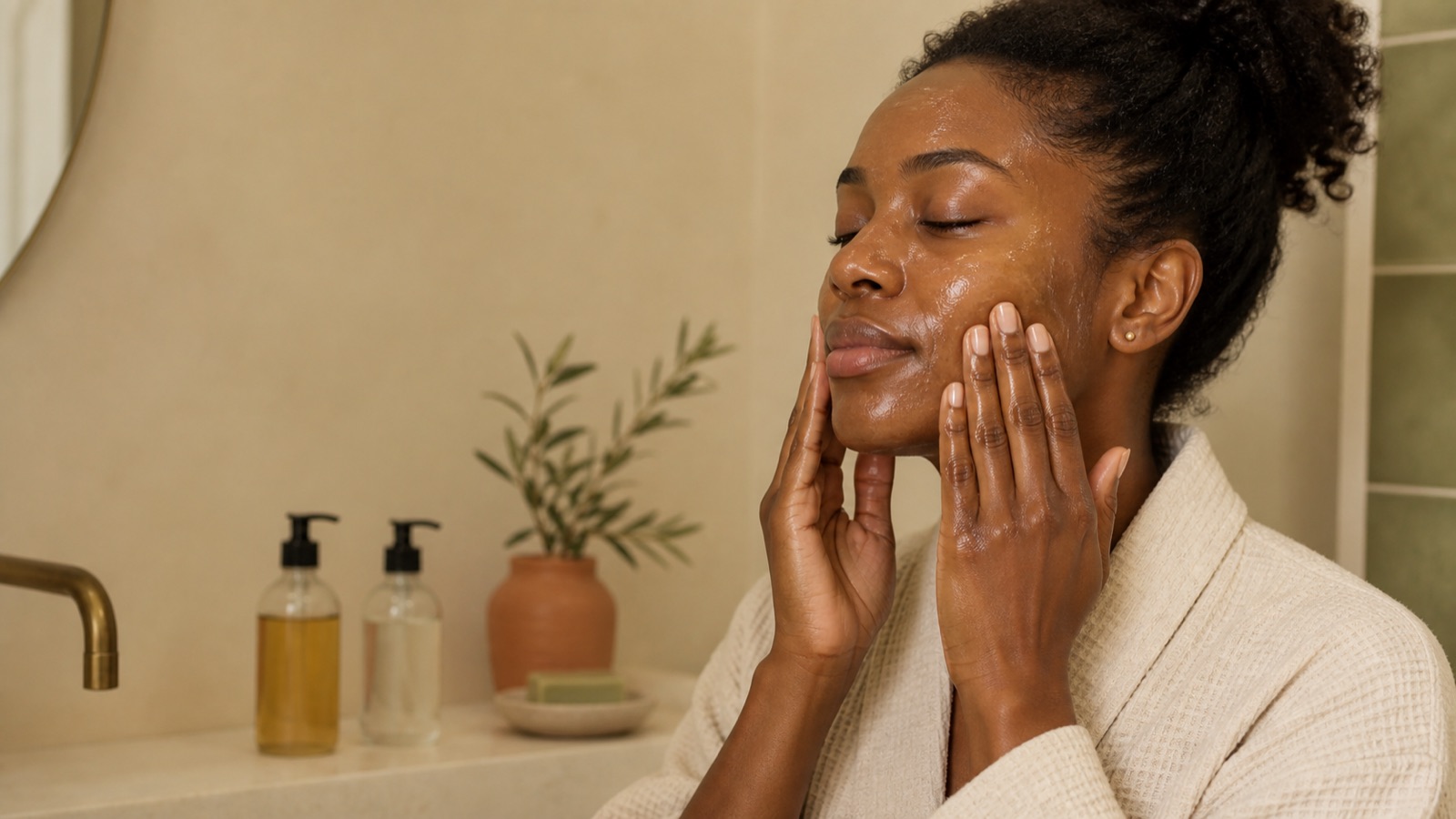
Understand how facial cleansers work, when an oil-based first cleanse helps, when a water-based cleanser is enough and how to avoid over-cleansing.
Read the guide
Learn how to observe oil distribution, comfort, surface hydration and reactivity without confusing a cosmetic description with a skin diagnosis.
Read the guide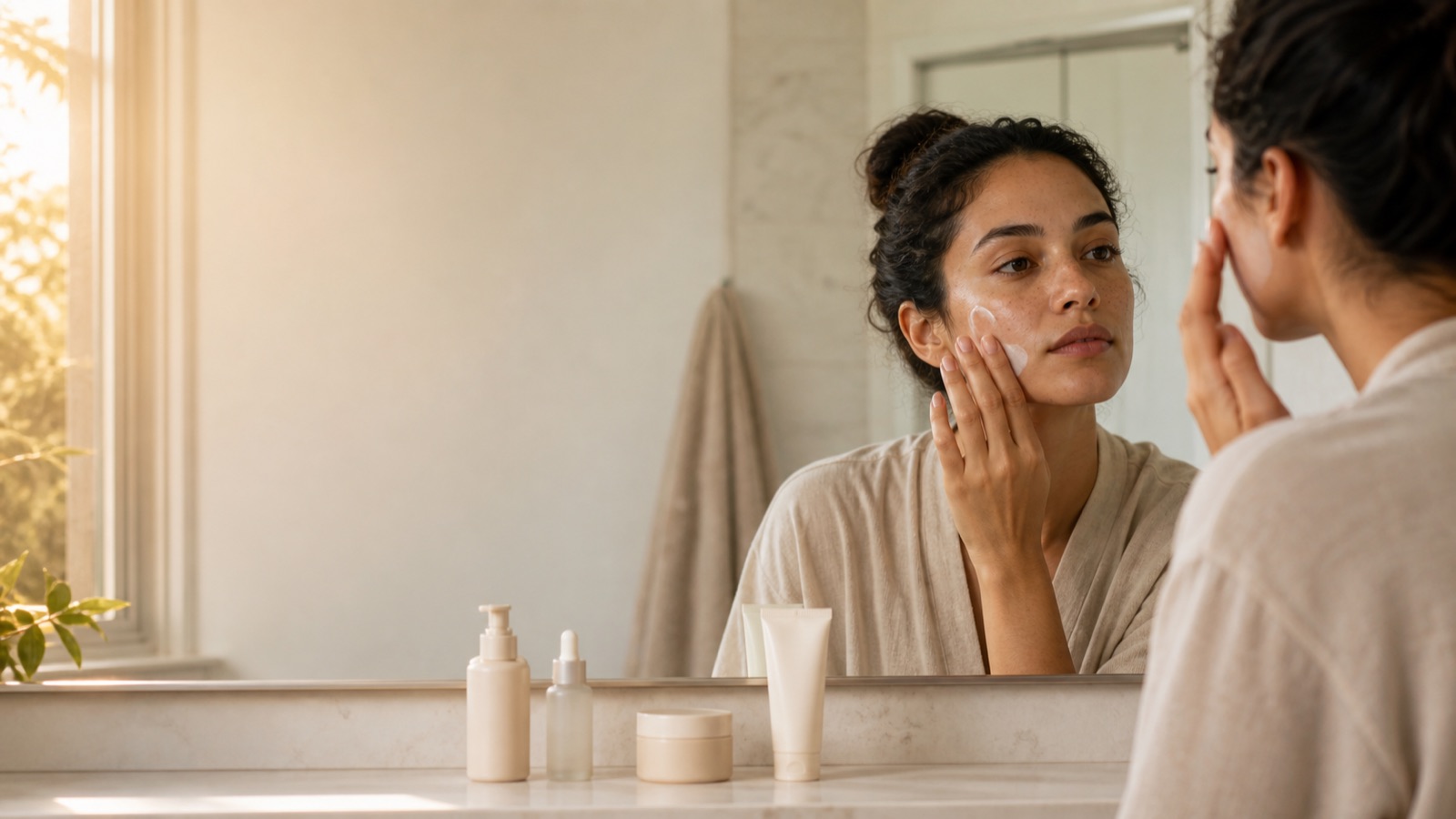
A clear guide to skincare order, from cleansing and moisturising to treatments and sunscreen, with a simple beginner routine and practical layering advice.
Read the guide
Compare hair color depth, tone and contrast, explore seasonal options and gray blending, and prepare a clear request for your hair colorist.
Read the guide
Try seasonal eye, cheek and lip combinations, adjust depth and coverage, and match foundation to your skin. Keep the products and colors you enjoy.
Read the guide
Compare US color analysis prices, appointment length, palettes, reports and follow-up, with real in-person, online and group offers.
Read the guide
Choose an online color analysis service, prepare usable photos and understand what cameras, screens and digital palettes can show.
Read the guide
Build a professional personal colour analysis kit by function: drape comparisons, controlled lighting, neutralisation, mirror, client records, photography, care, storage and staged purchasing.
Read the guide
Prepare the session, compare drapes, record observations and explain the results. Includes a printable client worksheet and US service examples.
Read the guide
Conflicting results from veins, jewelry, tanning, or selfies? Learn what each comparison can tell you and how to make useful observations at home.
Read the guide
A practical path into personal colour consulting: competencies, course evaluation, deliberate practice, kit, client service, portfolio, pricing, local requirements and continuing development.
Read the guide
Explore Light, True and Bright Spring, understand differences between methods, and try practical color combinations for clothes, accessories and makeup.
Read the guide
Compare swatches with real fabrics, combine neutrals and accents, and use your personal color palette to plan outfits and shop for clothes you will wear.
Read the guide
Understand Summer's cool, softened colors, compare True, Light and Soft Summer, and use your palette in clothes, accessories and makeup.
Read the guide
Understand Autumn's warm, softened colors, compare True, Soft and Dark Autumn, and use your palette in clothes, accessories and makeup.
Read the guide
Compare seasonal families, subgroup names and real methods, and learn how to interpret two different color analysis results.
Read the guide